

Which Magnesium Is Best? The Pros & Cons of 5 Popular Types Explained
Hello, health enthusiasts!
Today, we're diving deep into the world of magnesium, an unsung hero among minerals that plays a crucial role in maintaining our overall well-being. Whether you're a fitness fanatic or just someone looking to boost their overall health, understanding the importance of magnesium is the first step towards a healthier, more vibrant you.
What is Magnesium?
Magnesium is a powerhouse mineral that participates in over 300 biochemical reactions within the human body. From energy production to muscle function, nerve transmission, and even DNA synthesis – magnesium is a multitasking marvel that quietly contributes to the smooth functioning of numerous bodily processes.
Why is Magnesium so Important?
The question should perhaps be, "What isn't magnesium important for?" This essential mineral is like the backstage crew of a blockbuster show, working tirelessly to ensure everything runs smoothly in the background. Magnesium is vital for maintaining healthy bones, regulating blood sugar levels, supporting muscle and nerve function, and even promoting a healthy heart rhythm. In short, it's a mineral that keeps the show going.
Forms of Magnesium:
Not all magnesium supplements are created equal. There are various forms of magnesium available, each with its unique set of benefits. Popular forms include magnesium citrate, magnesium glycinate, magnesium oxide, magnesium malate and magnesium l-threonate. Understanding the differences in absorption rates and bioavailability is crucial when choosing the right form for your specific needs.
Forms of Magnesium: Navigating the Pros and Cons
When it comes to magnesium supplementation, understanding not just the benefits but also the potential drawbacks of each form is essential for making informed choices. Let's explore the pros and cons of some popular magnesium forms.

- Magnesium Citrate
Magnesium citrate is a magnesium supplement that combines the essential mineral magnesium with citric acid. It is often used to address magnesium deficiencies in the body. This compound is known for its high bioavailability, meaning that the body can absorb and utilize it effectively. The citric acid in magnesium citrate also has a mild laxative effect, which can be beneficial for those looking to promote regular bowel movements.
Pros:
- High Bioavailability: Magnesium citrate is efficiently absorbed by the body.
- Digestive Support: Known for its mild laxative effect, it aids in relieving constipation.
Cons:
- Laxative Effect: While beneficial for constipation, the laxative effect can be undesirable for some, leading to loose stools.
- Magnesium Glycinate
Magnesium glycinate is a form of magnesium that is bound to the amino acid glycine. This combination is created through a process known as chelation, where the magnesium is attached to the glycine molecule. This form of magnesium is valued for its ability to provide a supplemental source of magnesium while also offering the calming properties associated with glycine.
Pros:
- Good Bioavailability: Offers a good level of absorption.
- Gentle on Digestion: Less likely to cause a laxative effect, making it suitable for those with sensitive stomachs.
- Relaxation: Popular for promoting relaxation and improving sleep quality.
Cons:
- Cost: It may be relatively more expensive compared to other forms.
- Magnesium Malate
Magnesium malate is a form of magnesium that is bound to malic acid, a naturally occurring compound found in various fruits. Magnesium malate is notable for its potential benefits in supporting energy production and muscle function.
Pros:
- Moderate Bioavailability: Provides a moderate level of absorption.
- Energy Support: Known for potential benefits in supporting energy production.
Cons:
- Cost: Can be more expensive than magnesium oxide.
- Magnesium Oxide
Magnesium oxide is a type of magnesium supplement that consists of magnesium combined with oxygen. It is one of the most common forms of magnesium used in supplements due to its high magnesium content by weight.
Pros:
- Cost-Effective: Often more budget-friendly compared to other forms.
- Elemental Magnesium: Provides a higher percentage of elemental magnesium by weight.
Cons:
- Low Bioavailability: Not as easily absorbed by the body.
- Laxative Effect: May cause a more pronounced laxative effect, potentially leading to diarrhoea.
- Magnesium L-Threonate
Magnesium L-threonate is a specific form of magnesium supplement where magnesium is chelated with L-threonic acid. This unique combination distinguishes it from other magnesium supplements. The L-threonate component is believed to enhance the ability of magnesium to cross the blood-brain barrier, potentially leading to increased magnesium levels in the brain.
Pros:
- Brain Bioavailability: Known for crossing the blood-brain barrier, enhancing bioavailability to the brain.
- Cognitive Benefits: Some studies suggest potential cognitive and memory enhancement.
Cons:
- Cost: Tends to be more expensive than other forms.
- Limited Availability: Less common than other forms, making it sometimes harder to find.
Understanding the pros and cons of each magnesium form empowers you to make choices aligned with your health goals and preferences. While magnesium supplementation can offer numerous benefits, it's crucial to consider individual factors such as digestive sensitivity, desired outcomes, and budget constraints. As always, consulting with a healthcare professional ensures personalized guidance based on your unique needs.
Which Form of Magnesium is Best?
The "best" form of magnesium depends on your individual health goals and preferences. For example, magnesium citrate is often recommended for its high bioavailability and ability to support digestive health. On the other hand, magnesium glycinate is a favourite for those looking to enhance sleep quality and reduce muscle tension. It's always wise to consult with a healthcare professional to determine the most suitable form for your unique needs.
Foods High in Magnesium:
While magnesium supplements are a convenient solution, infusing your diet with magnesium-rich foods not only adds a burst of flavor to your meals but also ensures a diverse range of nutrients. Here's a delightful list of common foods that are not only delicious but also excellent sources of magnesium:

Dark Leafy Greens: Spinach, Kale, Swiss chard, Collard greens
Nuts and Seeds: Pumpkin seeds (Pepitas), Almonds, Cashews, Sunflower seeds
Whole Grains: Brown rice, Quinoa, Oats, Whole wheat
Fish: Mackerel, Salmon, Halibut,Tuna
Legumes: Black beans, Chickpeas, Lentils, Edamame
Avocado: A creamy addition to salads or enjoyed on its own, avocados provide a magnesium boost along with healthy fats.
Bananas: A portable and naturally sweet snack, bananas are not only rich in magnesium but also potassium.
Dark Chocolate: Indulge your sweet tooth while benefiting from magnesium. Choose dark chocolate with at least 70% cocoa for the maximum nutritional punch.
Yogurt: A versatile and calcium-rich option, yogurt is not only a source of magnesium but also contributes to gut health.
By incorporating these magnesium-rich foods into your daily meals, you not only enhance the flavor profile but also ensure a steady and balanced intake of this essential mineral. Whether you're crafting a vibrant salad, preparing a hearty grain bowl, or enjoying a seafood feast, there are plenty of delicious ways to boost your magnesium levels and contribute to your overall well-being.
You might like...
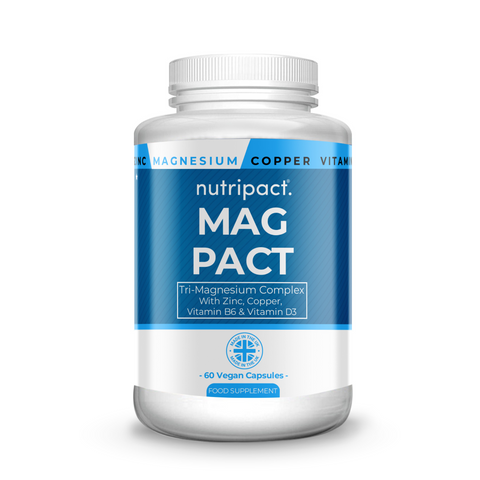
Discover Mag Pact, our Triple Magnesium Complex, a premium blend of Magnesium Glycinate, Magnesium Malate, and Magnesium Citrate. This unique formula also includes Zinc, Copper, Vitamin B6, Vitamin D3, and Black Pepper for enhanced absorption and further health benefits such as immune support, sleep, cramps and managing the menopause. Designed for health-conscious individuals, this supplement offers a holistic approach to well-being. Learn more about Mag Pact and elevate your health today.
Conclusion:
In the broader context of health and well-being, magnesium is rightfully gaining attention and recognition. From supporting bone health to regulating heart rhythm, this unsung hero plays a crucial role in keeping our bodies in harmony. Whether you choose to get your magnesium from a supplement or prefer to indulge in magnesium-rich foods, making this mineral a priority is a small but powerful step towards a healthier, more vibrant you. So, let's embrace the magnificent world of magnesium and let it shine in our journey to well-being!
Magnesium Glycinate is my ultimate fave. Helps me sleep like a baby!